Planning · October 2, 2026 · 2 min read
Maasai Mara park fees in 2026: what you need to know
By Puan Mara Camp
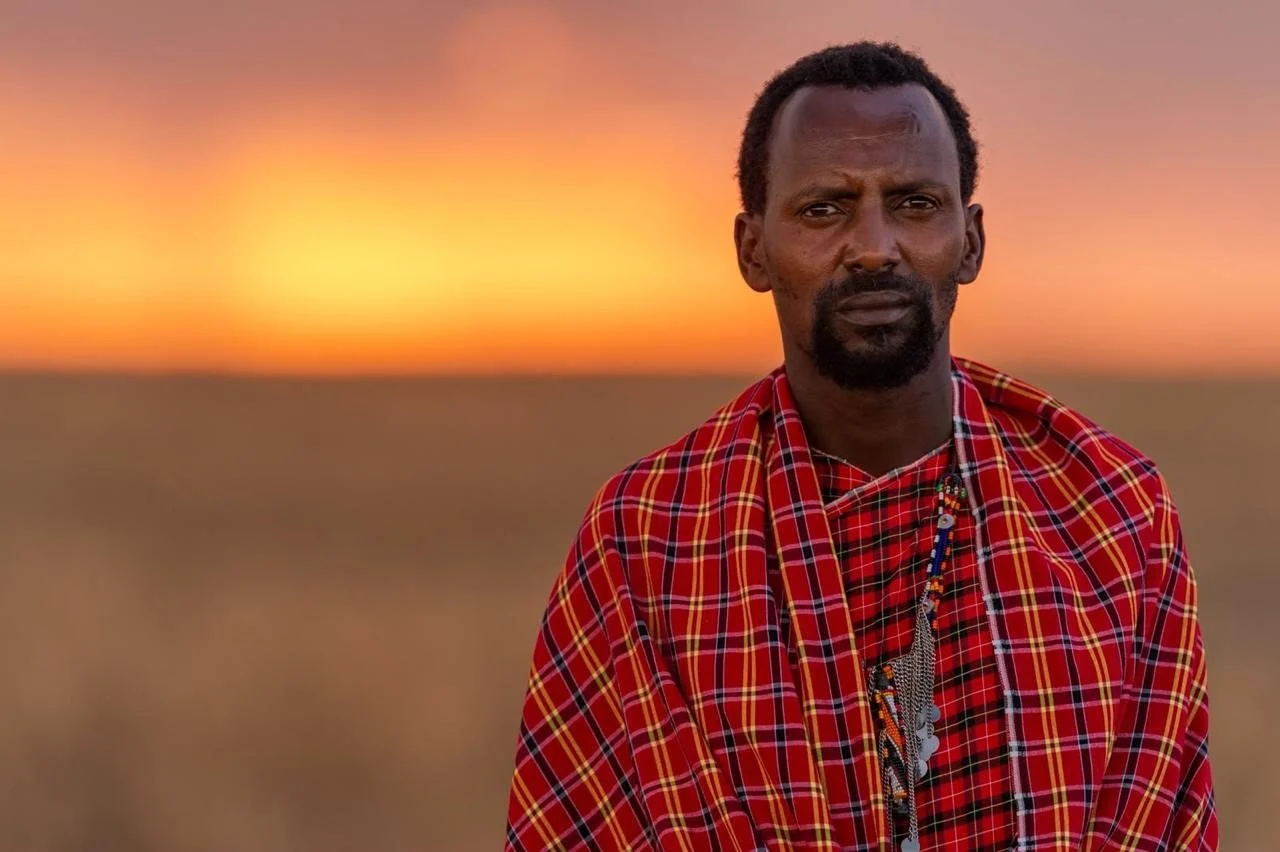
Every visitor to the Maasai Mara National Reserve pays a daily conservation fee. It funds rangers, anti-poaching work, roads and the communities around the reserve, and it is one of the biggest parts of a Mara safari budget.
The 2026 fees for international visitors
The reserve is managed by Narok County, which sets the fees. For non-resident adults in 2026:
- 1 January to 30 June: US$100 per person per day.
- 1 July to 31 December: US$200 per person per day.
Children pay a reduced rate and the youngest enter free, though the age bands are set by the county and can change. Kenyan citizens and East African residents pay much lower fees in local currency.
How the fee works
- It is charged per person, per day, for every day you spend inside the reserve.
- Fees are paid electronically. The reserve has moved to cashless payment, so it is easiest to let your camp or operator pay in advance.
- Vehicle fees are separate and are usually included by your camp or operator.
- Conservancies have their own fees. The private conservancies bordering the reserve charge their own conservation fees, which go to the Maasai landowners.
Planning around the fee
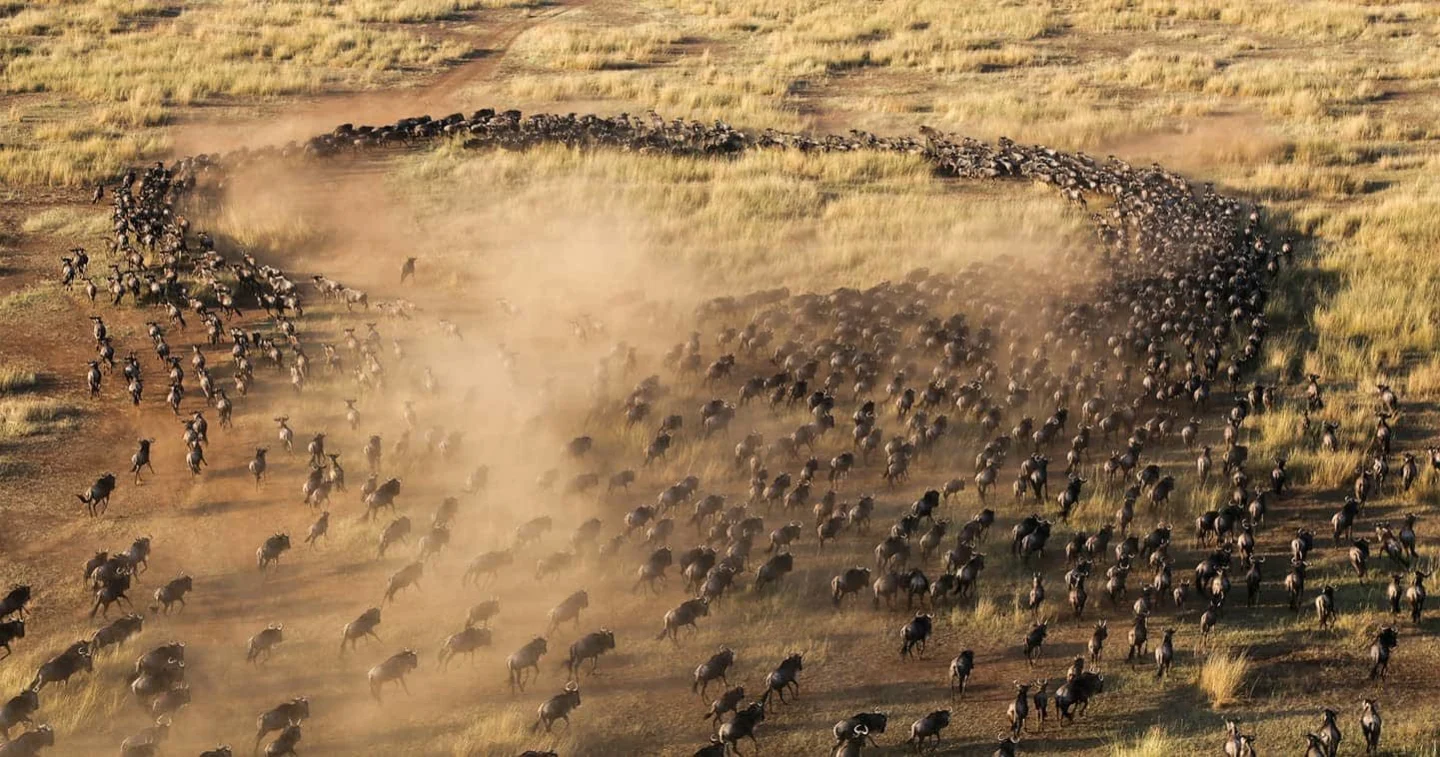
The fee doubles in July, at the start of the migration season, so January to June is noticeably better value, and the Mara is quieter and greener too. If the migration is your priority, the fee is part of the cost of being here at the best time; build it into your budget from the start.
Fees can change at short notice, so we always confirm the current figure in your quote and handle the payments for you. For a plan that includes everything, send us your dates. You may also like our guide to the best time to visit the Mara.
Planning your dates?
Check availability